Early Years Safeguarding 2026: EYFS & KCSIE Changes Explained | Otii
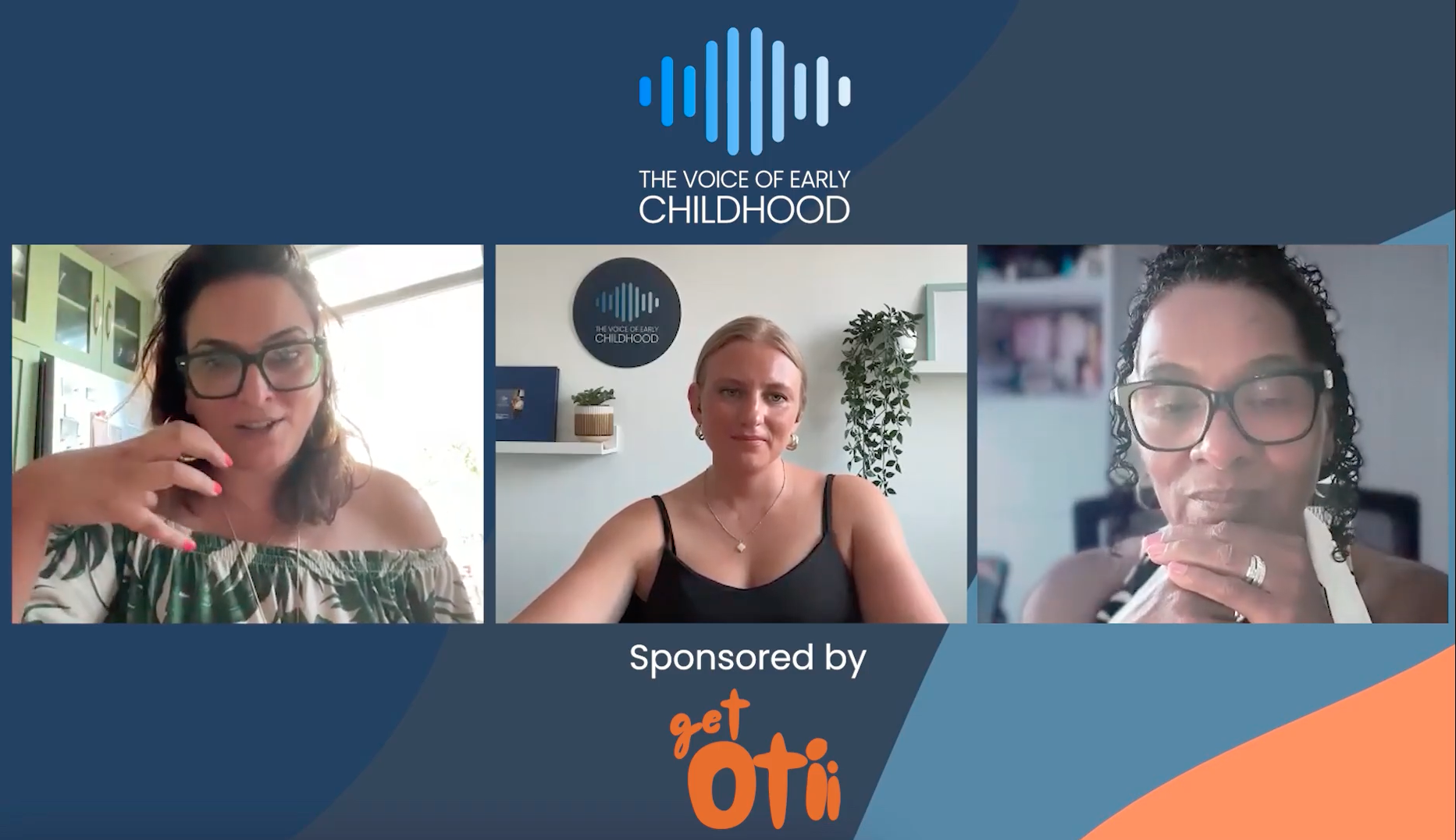
I’ve read a lot of government documents about the early years. Most of them are written about us rather than for us, and you can usually tell within a page or two. When the September 2026 statutory updates dropped—bringing explicit requirements from Keeping Children Safe in Education (KCSIE) into the EYFS framework, I took that familiar deep breath. If you operate a setting or lead a team, you probably took it, too. Recently, I sat down with independent safeguarding expert and former LADO Ann Marie Christian and Angelica Sinska on The Voice of Early Childhood podcast to unpack what these September 2026 changes actually mean in daily practice. Because let’s be honest: our sector is tired of top-down mandates, 190-page documents, and being treated like an afterthought. We don't need more fear-mongering; we need clarity, practical systems, and a culture of safety that actually protects children without drowning practitioners in panic. Here is what is really changing this September, why the old ways of logging safeguarding are breaking down, and how we can move forward calmly.
Top-Down, Reactive Guidance: Why We Feel the Strain
For years, PVI (Private, Voluntary, and Independent) nurseries have been left to translate guidance designed primarily for schools. As I mentioned on the podcast:
"We've always felt, as operators, that we were kind of the afterthought. Everything was done for schools or maintained nurseries... What we're seeing is a very top-down approach—a lot of documentation thrown out at a sector, nothing really specific to them."
The reality is that schools operate 9-to-3 during term time. Nurseries operate 10 to 12 hours a day, 50 weeks a year, in the middle of a massive sector-wide recruitment crisis. Dropping 60-to-190-page school frameworks onto non-maintained settings without clear support creates confusion.
More importantly, government policy remains overwhelmingly reactive. Updates usually arrive on the heels of tragic news headlines, public inquiries, or undercover exposes rather than preemptive, collaborative sector design.
As Ann Marie pointed out during our chat:
"We know that for many years... there was a bit of a skeleton service when it comes to compliance expectations. Now, based on unfortunate tragedies—whether it's fatality or extreme abuse of position of trust—we're in a situation where the DfE and Ofsted really need to step it up."
This shift is necessary, but the enforcement including 3,000 unannounced Ofsted inspections, has created an environment of fear. At Otii, our mission has always been simple: less panic, more calm. So let's cut through the fear and look at the actual statutory requirements.
What is Statutorily Changing on 1 September 2026?
The September 2026 updates bring early years settings into direct alignment with key parts of KCSIE. The essential changes break down into five core areas:
Explicit Alignment with KCSIE
All early years staff must now read and demonstrate an understanding of Part 1 of KCSIE (legal duties). Leadership, DSLs, and proprietors must understand and implement Parts 2 through 5 (management, safer recruitment, allegations, and peer-on-peer abuse).
Stricter Safer Recruitment & DBS Checks
Day-One Physical DBS: New staff must physically show their enhanced DBS certificate to the setting beforestepping foot on site for day one.
Volunteers Exemption Scrapped: The previous gray area regarding "regulated activity" (where volunteers working fewer than 3 days in 30 didn't require barred list checks) is gone. All regular volunteers must now have an enhanced DBS with a Children’s Barred List check.
Formalized References: Open references ("To whom it may concern") or references from family/friends are strictly banned. References must be verified electronically or via phone, with one coming directly from the candidate's most recent headteacher/nursery manager.
Search Engine Checks: Shortlisted candidates must undergo an online search engine background check (not a social media stalk, but a formal search engine review).
Lower Allegations Threshold
Providers must now report any allegations of "harm" to Ofsted or their childminder agency—lowering the threshold from the previous wording of "serious harm."
Safer Sleeping, Eating, and Screen Use
Safer Sleep: Formalized rules regarding in-room supervision for infants under six months, cot safety, and room monitoring are now explicit.
Safer Weaning & Meal Times: Explicit risk assessments and choking management logs during the transition from liquids to solids are mandatory.
Screen Use Guidance: Settings must actively evidence compliance with new DfE guidelines on limiting routine screen time for under-fives.
Banned Dog Breeds: Premises providing registered childcare are strictly prohibited from having banned dog breeds (under Section 1 of the Dangerous Dogs Act) on site under any circumstances.
DSL & Deputy DSL Co-Working
The guidance mandates a named, standalone Designated Safeguarding Lead (DSL) and Deputy (DDSL). Crucially, settings must establish co-working structures—such as shared safeguarding software vaults and joint email pathways—so that if a DSL falls ill, no child protection case or social care referral drops out of sight.
Moving Beyond Paper: Connecting the Dots
A major focus of our podcast discussion was how traditional paper logging fails early childhood teams. When incident logs live in a ring binder, accident forms live in a drawer, and complaints live in an inbox, settings fail to connect the dots.
We talked specifically about high-profile cases like the Bright Horizons documentary involving practitioner Vincent Chan:
"The practitioner on that documentary was saying... you're taught to report or speak up if you feel 'the ick,' and she had told managers... and she got told that it was in her head... She had no visibility of if it had been logged anywhere."
When safeguarding relies on verbal conversations or paper folders, it leaves staff feeling powerless and exposes settings to unseen risk.
"Once upon a time, it was go and find your manager and have a conversation verbally, but that then relies on a human to log that in the right place... You heard that girl speaking—the timeline was 2 years before there was any action against him. 2 years! How many kids?"
A genuine culture of safety doesn't mean creating a paranoid, militant workplace. It means giving junior practitioners an easy, secure way to log any low-level concern or "ick" with complete audit visibility—ensuring senior leadership can spot patterns across rooms, staff, and complaints long before they turn into severe risks.
The Safeguarding Responsibility vs. The "Side Hustle"
Towards the end of our conversation, Ann Marie brought up a trend she has noticed on social media: people promoting nursery ownership as a quick financial investment or a passive "side hustle."
Ann Marie put it bluntly:
"I've seen it even on social media where you've got young people investing in it as a business... like a side hustle: opening a nursery... 'Generate quick money, set it up, and then it'll run on its own.' But the reality is a completely different mindset in terms of compliance and responsibility."
Childcare is an incredible, deeply rewarding sector, and sustainable nurseries should be profitable, viable businesses. But early years leadership is a profound ethical duty. You are managing environments where non-verbal, vulnerable children rely entirely on adult integrity. There is no such thing as "passive ownership" in early childhood safeguarding.
How to Prepare for September Without the Panic
If you are running a single site or managing a nursery group without a massive compliance team behind you, don't try to rewrite 30 policies overnight.
Here is how to approach the September 2026 changes calmly:
Prioritize the 'Must-Haves' First: Focus on your Single Central Record (SCR), safer recruitment processes, and ensuring new hires show their physical DBS on day one.
Establish DSL Co-Working: Set up a shared safeguarding inbox or digital workflow so your DSL and Deputy DSL have equal visibility over ongoing cases and chronologies.
Audit Your Induction Process: Ditch the printed 25-page word documents that no one reads. Give agency staff, volunteers, and new hires clear, digestible safeguarding briefings on day one.
Digitize Your Audit Trail: Move away from paper logs. Ensure that low-level concerns, accidents, parent complaints, and staff observations are stored in one tamper-proof, searchable system.
We didn't build Otii to give settings another administrative headache; we built it to take the panic out of early years compliance. By putting clear, structured frameworks into daily practice, your team can spend less time scrambling through paperwork and more time doing what actually matters: keeping children safe, happy, and thriving.
Want to listen to the full conversation? Catch Episode 2026 of The Voice of Early Childhood Podcast featuring Maggie Bolger and Ann Marie Christian, or explore our compliance tools at get-otii.com.